Bank-Impersonation Call + SMS Scams
"This is your bank's fraud team." The number matches. The urgency feels real. It's a scam — and it's the highest-volume phone fraud running. Here's exactly how it plays.
How the scam works
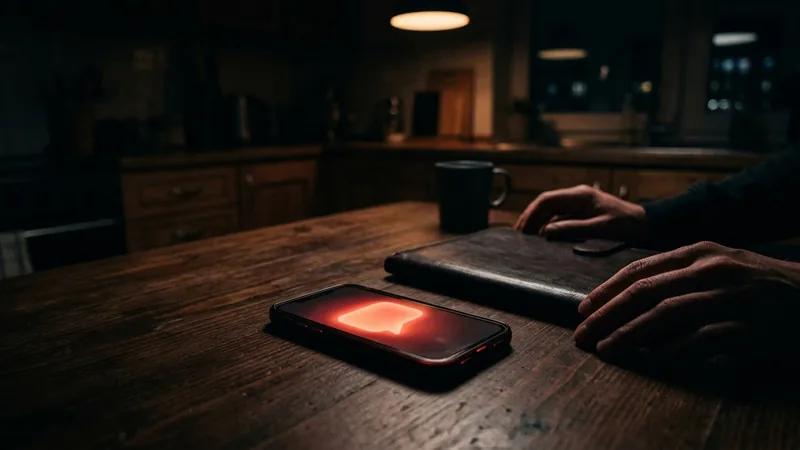
- The hook. A text warns of a suspicious charge ("Did you spend $499 at Best Buy? Reply YES/NO") or a call arrives from your bank's real number — spoofed in seconds with free tools.
- The transfer. Reply NO (or answer) and you're connected to "the fraud department": professional, calm, armed with your name and last transactions (phished or breached long ago).
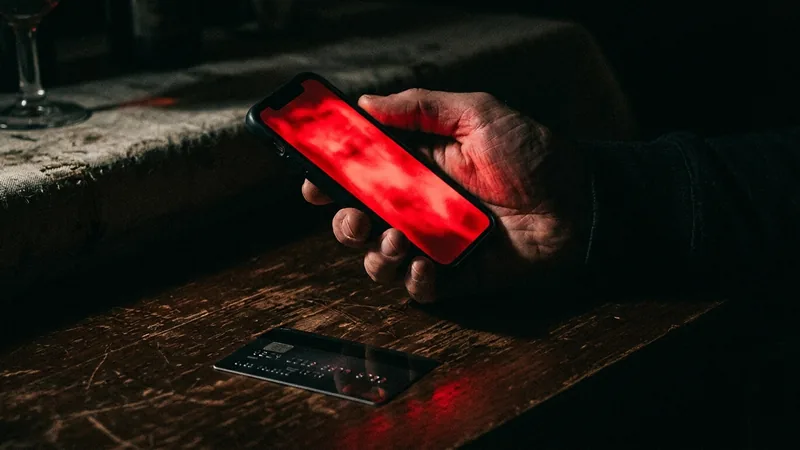
- The harvest. To "secure your account" they need your login, card number, or the one-time code just texted to you. Read it aloud and they've got it — often logging into your real account live.
- The drain. Wire transfers, Zelle sends, or new payees added while you hold. Some victims are even told to move money to a "safe account" — the scammer's.
Red flags checklist
- Caller ID shows your bank (spoofable — proves nothing)
- Urgency + secrecy: "act now, don't tell anyone, don't hang up"
- Requests for passwords, PINs, or one-time codes
- Instructions to move money to a "safe" or "new" account
- Links in "fraud alert" texts instead of the bank's app
- Call-backs to numbers the caller provides
The callback rule
Hang up. Open your bank's app or call the number on your card. If the alert was real, it'll be there. This single habit defeats every version of this scam — spoofed numbers, AI-cloned voices, polished scripts, all of it. Teach it to everyone you love; older relatives are the prime targets.
Quick answers
How do bank impersonation scams work?
Spoofed number, fake fraud alert, harvest of logins and codes — sometimes draining accounts live on the call.
Will my bank ever ask for a code?
Never, by inbound call or text. Any caller who asks is a scammer. Hang up, call the number on your card.